
Q&A with Accel Founder Arthur Patterson
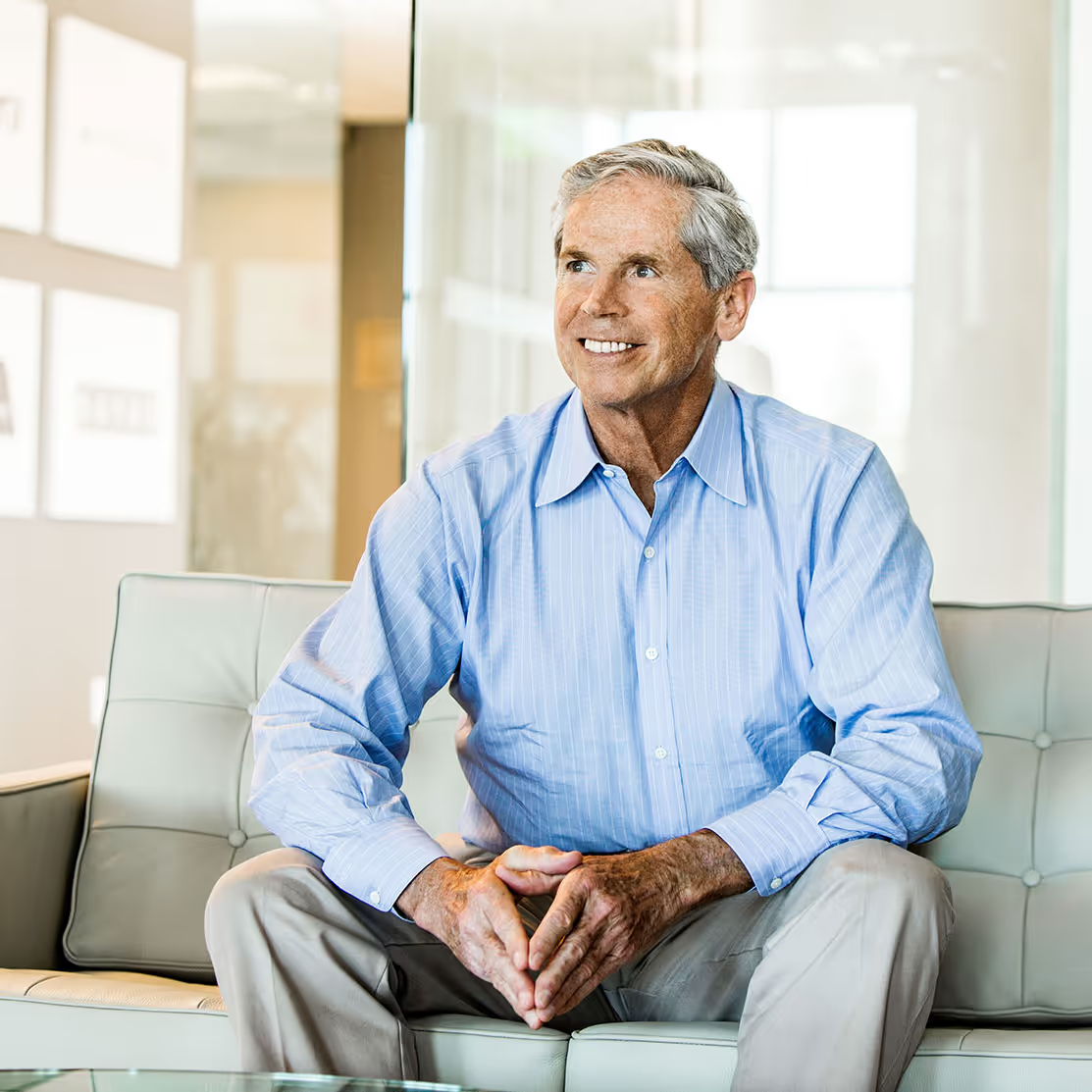
super{set} companies come together every other week to hear from interesting guest speakers from across tech ecosystem as part of our ongoing Community Call series.
For more on Arthur Patterson, click here.
For more on Tom Chavez, click here.
1. On Starting Accel & The Early Days of Venture Capital
2. On Early Stage Hiring
3. On Time Horizons in Venture Capital
4. On Hiring Executives
5. On Company-Building as an Experiment
6. On the Patterson Cycle
7. On Crypto
8. On Why Tom Wasn’t Fired as CEO of Rapt
9. What are you most proud of? (Audience Question)
10. What is the common thread across big hits and misses? (Audience Question)
11. How do you sort the signal and the noise? (Audience Question)
12. Is it problematic that traditional VC funds are getting so big? (Audience Question)
Tech, startups & the big picture
Subscribe for sharp takes on innovation, markets, and the forces shaping our future.
NEWS, BLOGS & ARTICLES
Let's keep in touch
We're heads down building & growing. Learn what's new and our latest updates.

Moneyball.ai and Eubrics bring AI solutions to labor-intensive workflows in investment banking and workforce performance.
In a world filled with AI, trust is a distinct competitive advantage.
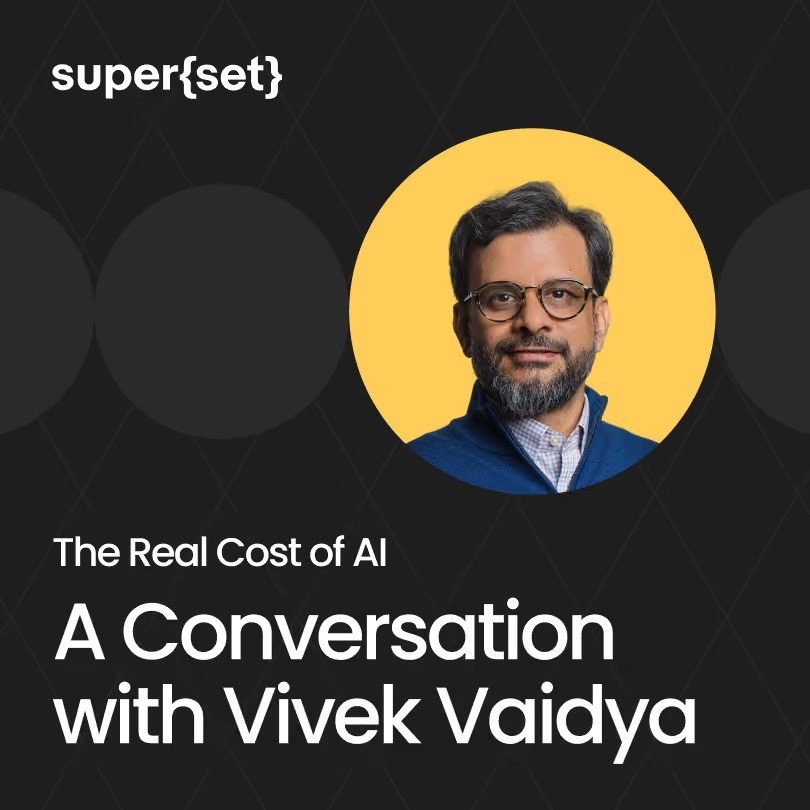
Vivek Vaidya of super{set} joins Nick to discuss AI Cost Structures and Pricing, Proprietary Data Sets That Create Moats, and a Clear Method for Determining Which Problem to Solve First.